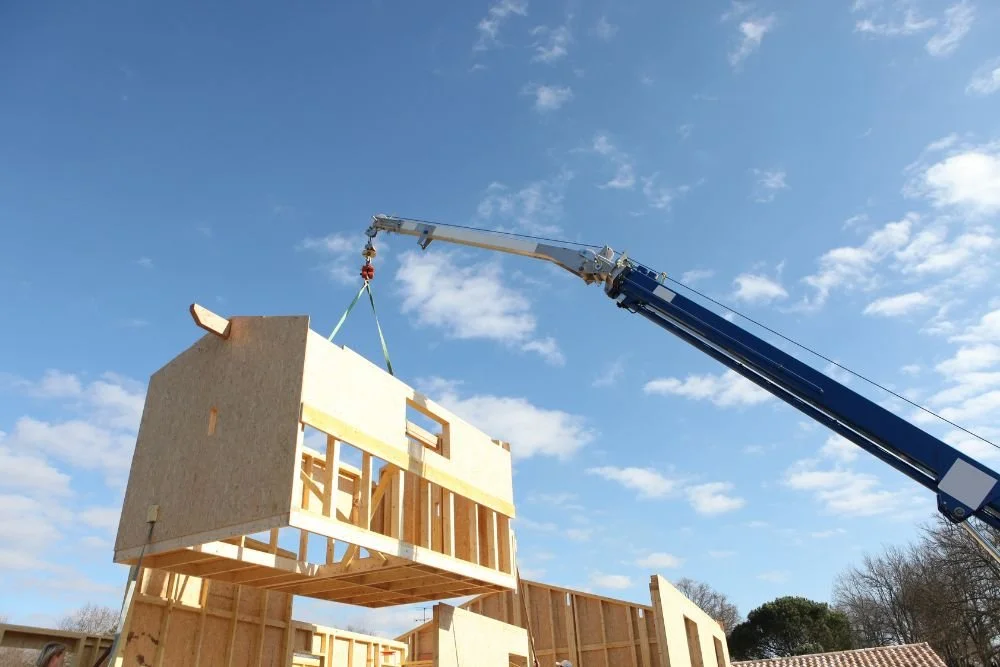
When operating cranes on a construction site, safety must always be the foremost priority. Implementing stringent precautions is vital to prevent accidents and ensure a safe work environment.
- Examine cranes thoroughly before each use, giving close attention to all elements for any signs of deterioration.
- Set up clear communication channels between the crane operator and other personnel on site.
- Mandate strict access control around the crane's operating area to minimize incidents.
- Educate all staff involved in crane operations on well-being protocols and emergency procedures.
By adhering to these crucial precautions, you can remarkably lower the risk of crane-related accidents and create a safer worksite for everyone.
Comprehending Load Limits and Capacity
When working with heavy machinery, it's essential to comprehend the idea behind load limits and capacity. Describes the topmost payload that a can withstand without failure. Capacity, on the other hand, shows the total load asystem can handle over its entire lifespan.
- Exceeding load limits can lead to {serious accidents, damage, or even fatalities.{
- To guarantee well-being, it's essential to always {check and adhere to therecommended weight capacities.
Choosing the Right Crane Type for Your Project
Undertaking a construction project requires meticulous planning and selecting the appropriate equipment is crucial for success. Between the myriad of heavy-duty machinery available, cranes stand out as indispensable tools for lifting and moving heavy loads. Selecting the right crane type depends on a variety of considerations, including the weight of the load, the height of the lift, the terrain conditions, and the complexity of the project itself.
- A typical crane is an excellent choice for projects requiring a wide range of lifting capabilities. These cranes are versatile and can be used in a variety of settings.
- Rough-terrain cranes are designed for greater maneuverability, making them ideal for sites with limited access.
- Tower cranes, with their impressive heights, are necessary for large-scale construction projects, such as high-rise buildings and bridges.
Seeking advice from experienced crane operators or engineers can provide valuable insights and help you identify the most suitable crane type for your project's specific requirements.
Navigating Legal Requirements Permits and Regulations
Before embarking on your project, it's vital to thoroughly understand the applicable permits and regulations. These legal frameworks establish the requirements for construction, ensuring compliance. Failure to adhere by these rules can result in penalties, project delays, or even legal action. To mitigate such challenges, it's strongly to consult with legal and governmental experts who can assist you through the details of permit applications and adherence.
Remember, proactive planning is essential to a smooth and seamless project lifecycle.
Securing Your Future: Insurance Protection
In today's unpredictable world, it is crucial/essential/highly important to have adequate insurance coverage. Whether you are protecting your personal/individual/private belongings or your business/enterprise/company, insurance can provide a vital safety net/financial cushion/peace of mind. A comprehensive insurance policy 3 Considerations for When You Rent a Crane on Your Property will shield/defend/guard you against unforeseen events/occurrences/situations, such as accidents, natural disasters, or theft/robbery/burglary. By understanding the different types of insurance available and choosing the right coverage for your needs/requirements/circumstances, you can mitigate/reduce/minimize financial risks and provide yourself with valuable security/protection/reassurance.
It's important to regularly review/periodically examine/continuously assess your insurance policy to ensure it still meets/satisfies/covers your current situation/circumstances/needs. Consult/Speak to/Contact an insurance professional who can help you navigate/understand/evaluate the complexities of insurance and find a policy that suits/fits/matches your individual requirements. Remember, investing in insurance is not just about covering/protecting/safeguarding yourself financially; it's also about having the confidence/assurance/certainty to face the future with peace/tranquility/serenity of mind.
Interaction is Key: Working with the Crane Operator
Safe and efficient tasks rely heavily on clear and consistent interaction between ground crew and the crane operator. The operator needs to understand your instructions precisely to avoid accidents. It's crucial to use visual cues consistently and explicitly convey any changes in direction. Regularly verify understanding to ensure everyone is on the same level. Remember, a strong rapport can make all the difference in keeping things running seamlessly.